Old Blood: A Typeface for Bold, Dark, and Impactful Design
When you are working on a project that demands immediate attention, standard sans-serif or serif fonts often fall short. They are clean, professional, and reliable, but they rarely evoke strong emotion. If your goal is to create something visceral, historical, or unsettling, you need a typeface with weight and character. This is where Old Blood steps in. It is not just another decorative font; it is a blackletter typeface designed to bring a sense of gravity, tradition, and intensity to any visual medium.
Blackletter typography has deep roots in Western calligraphy and printing history. Originally associated with medieval manuscripts and early printed books, this style has evolved into a powerful design tool for modern creators. Old Blood captures the essence of this aesthetic—thick strokes, sharp angles, and intricate details—but adapts it for contemporary use. Whether you are designing a logo for a heavy metal band, creating a poster for a local horror event, or branding a craft brewery, this font provides the visual punch needed to stand out in a crowded digital landscape.
Understanding the Aesthetic of Old Blood
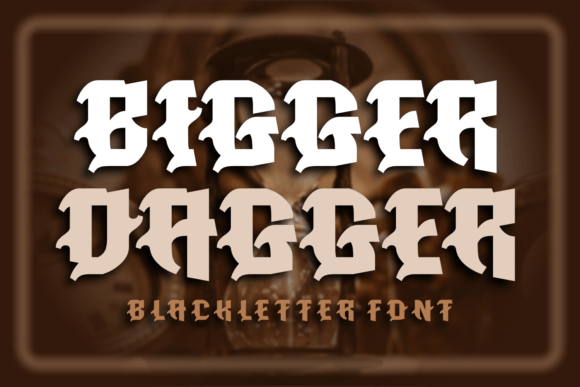
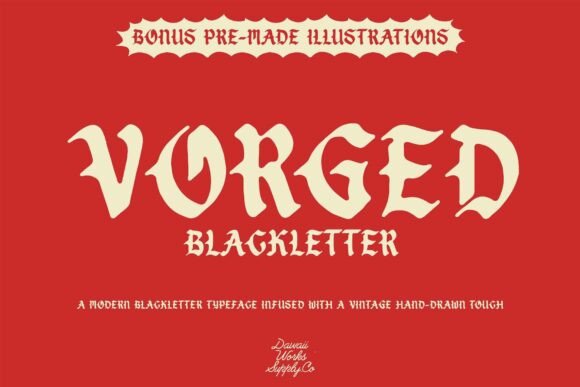
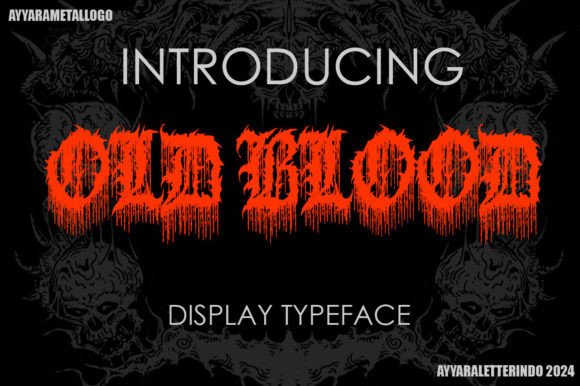
To use Old Blood effectively, it helps to understand what makes it distinct from other display fonts. Unlike Gothic Revival fonts that might feel stiff or overly academic, Old Blood offers a rugged, almost hand-carved appearance. The letters have a textured quality that suggests age and wear, giving designs an authentic, tactile feel even when viewed on a screen.
The font’s structure allows for high contrast between thick vertical stems and thinner horizontal connections. This creates a rhythm that guides the eye across text blocks, making it ideal for headlines rather than body copy. When used correctly, it adds a layer of sophistication that feels both ancient and modern. It bridges the gap between historical reverence and contemporary edginess, allowing designers to tap into cultural associations without looking like they are merely copying a costume.
Real-World Applications for Creators and Brands
The versatility of Old Blood extends far beyond its initial reputation as a "horror" font. While it certainly excels in genres involving suspense, mystery, and the macabre, its application is much broader. Here is how different professionals can leverage this typeface in their daily work.
Event Marketing and Promotional Materials
If you are organizing a themed party, a Halloween festival, or a haunted house attraction, Old Blood is an instant asset. These events rely heavily on atmosphere. A flyer designed with this font immediately sets expectations for the attendee. It signals that the experience will be immersive and intense. By combining the font with dark color palettes, distressed textures, and unique ornaments like bats, skulls, or vintage borders, you can create promotional materials that stop people in their tracks.
Consider a local theater group putting on a production of Dracula or Frankenstein. Using Old Blood for the title ensures that the poster communicates the genre instantly. Pairing it with subtle red accents can mimic the "blood" aspect of the name, adding a visceral touch that enhances the thematic narrative.
Brand Identity for Niche Businesses
Entrepreneurs in specific industries often struggle to find a visual identity that reflects their brand’s core values. For businesses rooted in craftsmanship, heritage, or rebellion, Old Blood offers a compelling solution.
- Breweries and Distilleries: Many craft beer labels use blackletter styles to evoke the tradition of European brewing. Old Blood can give a label a premium, artisanal look that stands out on crowded shelves.
- Metal and Rock Bands: For musicians in the heavy metal, punk, or hard rock genres, this font is a staple. It conveys aggression, energy, and authenticity. Album covers and tour posters benefit greatly from its bold presence.
- Tattoo Parlors and Barbershops: Establishments that cater to clients seeking traditional or neo-traditional art often use blackletter in their logos. It aligns perfectly with the imagery of tattoos, anchors, and classic barber poles.
Educational and Historical Content
Educators and publishers do not always think of decorative fonts as useful tools, but context matters. When teaching about the Middle Ages, the Renaissance, or the history of the printing press, using Old Blood in presentation slides or handouts can reinforce the lesson. It provides a visual anchor that helps students connect emotionally with the historical period being discussed.
Similarly, bloggers writing about genealogy, history, or folklore can use this font for section headers or pull quotes. It breaks up the monotony of standard web typography and adds a layer of editorial flair that engages readers who appreciate aesthetic detail.
Designing with Confidence: Practical Tips
Using Old Blood requires more than just dropping it onto a canvas. Because of its complexity and visual weight, it demands careful handling to ensure your design remains legible and balanced.
Pairing with Complementary Fonts
One of the most common mistakes new designers make is overusing display fonts. Old Blood should primarily be reserved for headlines, titles, and short phrases. For body text, pair it with a clean, highly readable sans-serif or a simple serif font. This contrast prevents the design from becoming overwhelming. The readability of the supporting text allows the viewer to absorb information while the headline grabs their attention.
Utilizing Ornaments and Textures
The prompt mentions combining Old Blood with unique ornaments, and this is key to unlocking its full potential. Standalone text can sometimes feel flat. Adding elements like flourishes, drop caps, or grunge overlays can enhance the mood. For example, if you are creating a Halloween invitation, placing the date inside an ornate frame made of vines or bones can elevate the design from simple text to a complete artistic composition.
Color Psychology
The impact of Old Blood is significantly influenced by color choice. Black and white provide a stark, classic look that emphasizes the letterforms. However, experimenting with colors can change the perception entirely. Deep reds suggest danger or passion, gold implies luxury and history, and muted greens or browns can evoke a rustic, natural feel. Avoid neon colors unless you are aiming for a very specific, ironic aesthetic, as they can clash with the font’s inherent seriousness.
Technical Considerations Before You Download
Before integrating Old Blood into your projects, there are practical aspects to consider. First, check the licensing terms. Some fonts are free for personal use only, requiring a commercial license for business applications. Ensuring you have the right permissions protects your brand from legal issues down the line.
Second, consider file formats. Ensure you download the font in formats compatible with your software, such as OTF or TTF for desktop publishing, and WOFF/WOFF2 if you plan to embed it on a website. Web embedding requires additional optimization to ensure fast load times, so test how the font renders across different browsers.
Finally, think about scalability. Blackletter fonts can lose detail when scaled down too small. Test your design at various sizes to ensure the intricate details remain visible. If the text becomes illegible on mobile devices, you may need to simplify the layout or choose a slightly less complex variant if available.
Conclusion
Old Blood is more than just a font; it is a stylistic statement. It brings history, drama, and depth to modern design projects. Whether you are a marketer crafting a campaign, a student presenting a history project, or a hobbyist designing a custom t-shirt, this typeface offers a unique way to communicate power and tradition. By understanding its strengths and applying it thoughtfully, you can create visuals that resonate deeply with your audience. In a world of generic templates, choosing a distinctive typeface like Old Blood allows your creativity to bleed through, leaving a lasting impression.