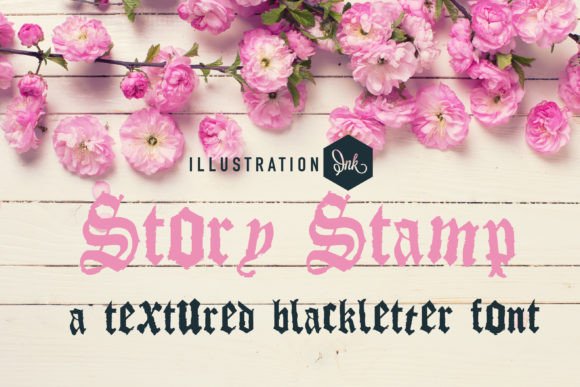
Story Stamp: Elevating Design with Hand-Crafted Blackletter Elegance
In an era where digital design often leans toward minimalism and uniformity, there remains a powerful desire for authenticity, history, and artistic depth. For designers, branding experts, and creative professionals seeking to infuse their projects with a sense of heritage and craftsmanship, Story Stamp offers a compelling solution. This hand-crafted blackletter font bridges the gap between medieval tradition and modern aesthetic requirements, providing a unique visual identity that stands out in a crowded marketplace.
Whether you are designing a logo for a craft brewery, creating packaging for an artisanal product, or developing a brand identity for a boutique hotel, typography plays a pivotal role in communicating your message before a single word is read. Story Stamp is not just a typeface; it is a tool for storytelling. It combines a unique, creative look with an old-school style, making it perfect for adding a vintage, artistic touch to your projects. Below, we explore how this distinctive font can address common design challenges and help you achieve professional, high-impact results.
Understanding the Appeal of Blackletter Typography
Blackletter, also known as Gothic script or Old English, has been used since the 12th century. Historically associated with religious texts and formal documents, it conveys authority, tradition, and gravitas. However, in contemporary design, using blackletter requires a delicate balance. Too much density can make text illegible, while too little detail can lose the character that makes the style appealing.
This is where Story Stamp excels. Unlike rigid, mechanical reproductions of historical scripts, Story Stamp retains the organic imperfections of hand-crafting. The variations in stroke width and the subtle irregularities in letterforms give it a human touch that automated fonts often lack. For users looking to evoke feelings of nostalgia, reliability, or exclusivity, this font provides an immediate emotional connection. It signals that the brand values quality, attention to detail, and a respect for the past.
Addressing Common Design Challenges
Many designers face specific hurdles when incorporating decorative or display fonts into their workflows. One of the most significant challenges is legibility versus aesthetics. Highly stylized fonts can become difficult to read, especially at smaller sizes or on mobile screens. Another challenge is versatility; a font that looks great on a poster might fail completely on a business card or website header.
Story Stamp addresses these issues by being designed with practical application in mind. While it is undeniably decorative, its structure allows for thoughtful integration into various layouts. By using it strategically—as a headline or a focal point rather than body text—designers can maintain readability while still leveraging the font’s dramatic impact. Furthermore, because it is hand-crafted, it pairs exceptionally well with simpler, sans-serif or serif typefaces, allowing for a balanced typographic hierarchy.
Practical Applications and Use Cases
The versatility of Story Stamp extends across multiple industries and project types. Here are several practical scenarios where this font delivers exceptional value:
- Brand Identity and Logos: For businesses in the food and beverage industry, such as breweries, distilleries, or bakeries, Story Stamp instantly communicates artisanal quality. A craft beer label featuring Story Stamp suggests a product made with care and tradition, appealing directly to consumers who appreciate heritage brands.
- Packaging Design: In retail environments, shelf presence is critical. Packaging for gourmet foods, leather goods, or handmade jewelry can benefit from the luxurious feel of blackletter. Story Stamp adds a layer of sophistication that elevates the perceived value of the product.
- Event Invitations and Stationery: Weddings, galas, and formal events often seek a classic, elegant aesthetic. Using Story Stamp for titles or names on invitations creates a sense of occasion and formality without feeling overly stiff.
- T-Shirt and Apparel Graphics: Streetwear and vintage-inspired fashion lines frequently use bold, graphic typography. Story Stamp works well for band tees, retro-style apparel, and lifestyle brands that want to project a rugged yet refined image.
- Digital Headers and Banners: On websites and social media graphics, large-scale typography grabs attention. Story Stamp serves as an excellent hero element for landing pages, drawing the user’s eye immediately to the core message.
Implementation Tips for Best Results
To get the most out of Story Stamp, it is essential to approach its usage with intention. Here are some recommendations for implementation:
- Pairing with Complementary Fonts: Avoid pairing Story Stamp with other ornate or blackletter fonts, as this can create visual clutter. Instead, pair it with clean, neutral typefaces. A simple sans-serif like Helvetica or a classic serif like Garamond can provide the necessary contrast to let Story Stamp shine. The simplicity of the secondary font ensures that the focus remains on the main headline.
- Utilizing White Space: Blackletter fonts are dense. To prevent designs from feeling heavy or cramped, incorporate ample white space around the text. This breathing room enhances readability and gives the design a premium, uncluttered look.
- Color Considerations: The color palette should complement the vintage vibe of the font. Earth tones, deep reds, navy blues, and gold accents work particularly well. Avoid neon or overly bright colors unless you are aiming for a specific ironic or modern-retro effect.
- Scalability Testing: Always test the font at various sizes. While Story Stamp looks stunning at large scales, ensure that key elements remain distinct when scaled down for favicons or small icons. If legibility becomes an issue at smaller sizes, consider simplifying the design or using a lighter weight if available.
Who Should Use Story Stamp?
This font is ideal for a wide range of users, from professional graphic designers to small business owners and hobbyists. Professional designers will appreciate the high-quality construction and the ease with which it integrates into complex layouts. Small business owners can use it to quickly establish a strong brand voice without needing extensive design knowledge, provided they follow basic typographic rules.
However, it is important to note that Story Stamp may not be suitable for all contexts. Corporate environments focused on ultra-modern, tech-forward identities might find the font too traditional or heavy. Similarly, for content that requires rapid scanning, such as news articles or instructional manuals, Story Stamp is inappropriate due to its decorative nature. Understanding your audience and the context of your message is crucial.
Conclusion
In conclusion, Story Stamp is more than just a font; it is a strategic asset for any designer or brand looking to convey history, craftsmanship, and artistic flair. By addressing the common pitfalls of blackletter typography through its hand-crafted, user-friendly design, it offers a reliable way to add vintage charm to modern projects. Whether you are revamping a logo, designing packaging, or creating marketing materials, Story Stamp provides the perfect blend of old-school style and contemporary appeal. Embrace its unique character to create designs that not only look beautiful but also tell a compelling story.